Mara Brooks · 12 October 2026
Lichtora's Murals Blend with Green Corridors to Transform Neighborhoods
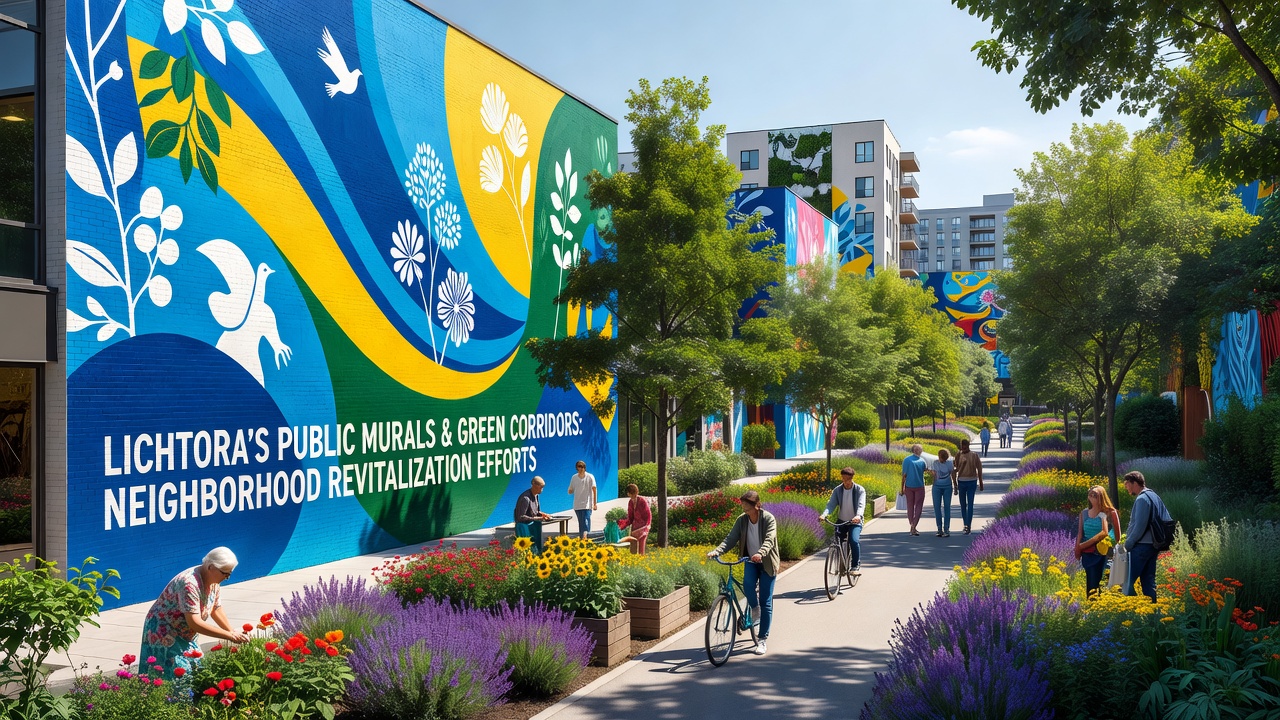
Public murals and green corridors have come together in Lichtora to support neighborhood revitalization projects that combine art installations with ecological pathways. City records show these efforts began gaining momentum in 2024 when local planning departments mapped out areas where abandoned lots and underused streets could host both painted surfaces and planted strips. Data from municipal reports indicate that over 15 corridors now feature integrated designs where murals depict local flora while adjacent plantings mirror those same species in three dimensions.
Mapping the Integration of Art and Ecology
Urban planners in Lichtora identified specific zones where wall space meets linear parks, allowing artists to work alongside landscape teams during the design phase. One project along the eastern riverbank completed its first phase in late 2025 and added 2.3 kilometers of connected paths bordered by 48 new murals. Observers note that these murals use weather-resistant paints selected to withstand the region's seasonal temperature swings while the corridors incorporate native grasses that require minimal irrigation.
Figures from the Lichtora Department of Parks and Recreation reveal that green corridor coverage increased by 28 percent between 2023 and 2025. During the same period mural counts rose by 34 percent in the same districts. Researchers at the regional university tracked biodiversity indicators and reported higher pollinator activity in corridors where mural themes matched the plant palettes chosen for each segment.
October 2026 Milestones and Ongoing Projects
October 2026 marks the scheduled opening of three additional corridor segments in the western neighborhoods. Construction schedules list completion dates for pathways that will link existing mural clusters with newly planted tree lines. City budgets allocate funds for both artistic commissions and ecological monitoring equipment installed at regular intervals along each route.
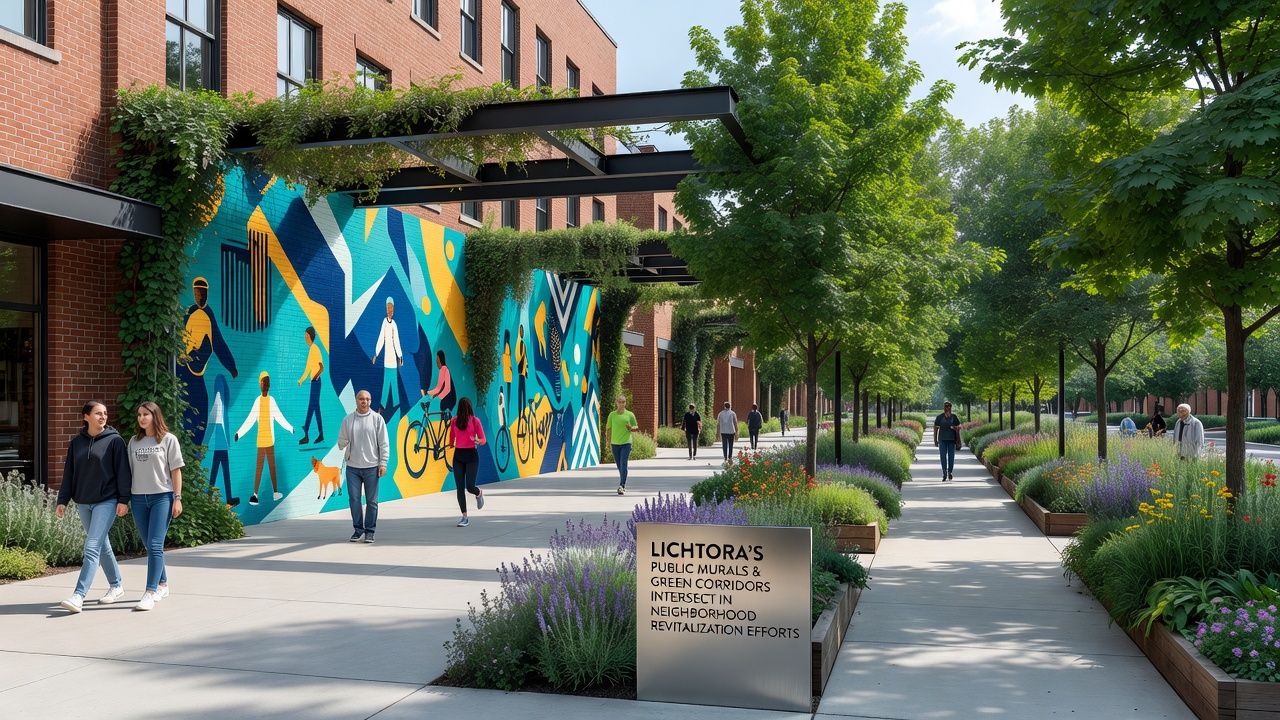
Those involved in the October 2026 rollout have coordinated with local schools to incorporate student-designed elements into several murals. School records show that 12 classes participated in workshops focused on plant identification and color matching. The resulting artworks appear at eye level on retaining walls while taller sections feature larger-scale compositions visible from adjacent streets.
Community Participation and Data Collection
Participation metrics collected by neighborhood associations show consistent attendance at planning meetings held throughout 2025. Attendance logs list an average of 45 residents per session across six districts. Feedback forms submitted after each meeting indicate strong interest in maintaining both the visual and ecological aspects of the corridors rather than prioritizing one over the other.
Studies conducted by the European Environment Agency on similar urban greening initiatives provide comparative benchmarks. Those reports document measurable reductions in urban heat island effects when corridors exceed 1.5 kilometers in continuous length. Lichtora's planning documents reference these findings when setting minimum corridor dimensions for new proposals.
Funding Structures and Resource Allocation
Budget breakdowns published by the city council allocate 42 percent of revitalization funds to artistic elements and 58 percent to green infrastructure. This split reflects joint applications submitted to regional development programs that require both cultural and environmental components. Grant records list support from multiple sources including the European Regional Development Fund and national heritage preservation allocations.
Maintenance agreements assign responsibility for mural upkeep to artist collectives while landscape contractors handle plant care under separate contracts. These arrangements appear in the project charters signed in early 2025 and extend through 2028. Annual inspection reports track both paint condition and vegetation health using standardized scoring systems.
Conclusion
Records from Lichtora's planning offices show that the intersection of public murals and green corridors continues to shape neighborhood projects through coordinated timelines and shared design criteria. October 2026 brings additional segments into active use while data collection efforts track outcomes across artistic and ecological metrics. The documented approach relies on measurable indicators and established funding mechanisms rather than isolated initiatives.