Theo Powell · 28 September 2026
Lichtora Lantern Craft Workshops Connect Diverse Age Groups Through Shared Hands-On Experiences
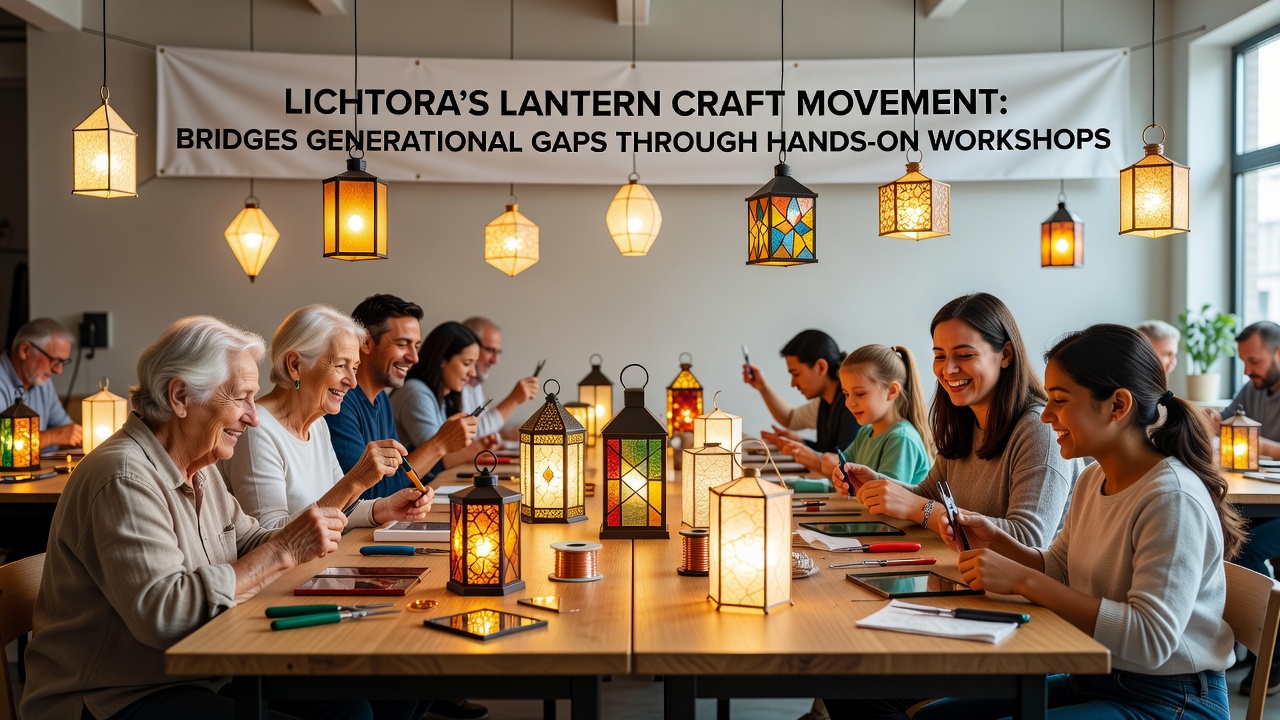
Workshops centered on lantern crafting have taken root in Lichtora where organizers schedule regular sessions that pair younger learners with older community members, and these gatherings emphasize practical skills passed down through direct instruction rather than formal lectures. Participants arrive with varying levels of experience yet they collaborate on designs that incorporate local motifs while they measure materials, cut frames, and assemble translucent panels under guided supervision, and this structure allows knowledge transfer to occur naturally during the process. Data from similar craft programs tracked by the National Endowment for the Arts shows increased participation rates among mixed-age groups when hands-on methods replace classroom-style teaching, and Lichtora organizers have applied those patterns to their own calendar.
Origins and Current Structure of the Movement
The lantern craft movement began with small neighborhood meetings that later expanded into coordinated events listed on community calendars, yet the core focus remains on accessible techniques that require minimal prior training. Instructors demonstrate frame construction using bamboo or wire while they explain historical context tied to seasonal festivals, and attendees then replicate the steps with their own tools. Sessions typically run for two to three hours and include breaks for discussion, which creates space for stories about past celebrations to surface alongside questions from newcomers. Observers note that repeat attendance climbs when family members join together, and registration records indicate steady growth in sign-ups from both school-age groups and retirees since the program formalized its schedule two years ago.
Workshop Activities and Participation Trends
Each session opens with a brief demonstration of lantern skeleton assembly followed by individual or paired work periods where experienced crafters assist those still learning tension adjustments for the paper coverings, and this arrangement keeps momentum without rushing anyone through the stages. Materials are supplied on site through local suppliers so cost barriers stay low, and participants leave with completed lanterns they can display or gift. Figures compiled by regional cultural offices reveal that over 1,200 individuals joined at least one workshop last year, with roughly 40 percent reporting they attended with someone from a different generation than their own. September 2026 brings an expanded series that adds evening slots to accommodate working adults, and early sign-up lists already show balanced representation across age brackets.
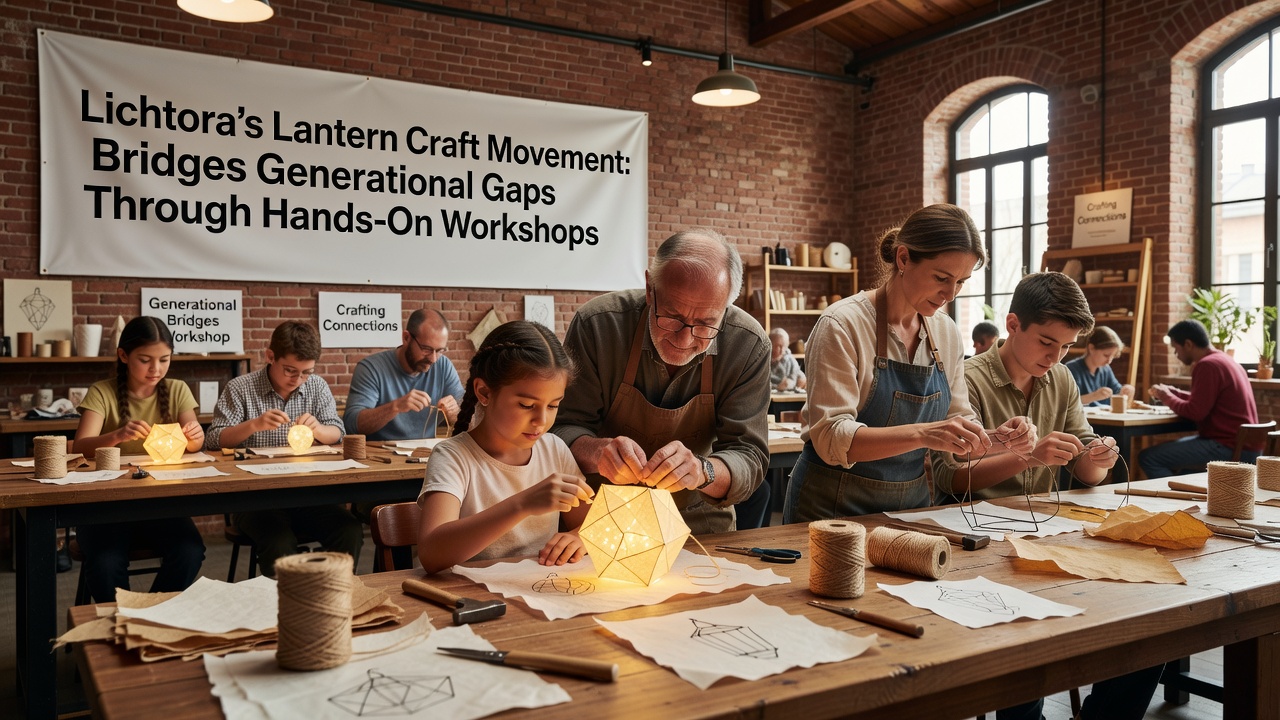
Techniques taught range from basic cylinder shapes to more intricate folding patterns that produce layered light effects, and instructors adapt explanations based on the group's pace rather than following a rigid script. One study conducted through a university extension program found that such adaptive pacing correlates with higher completion rates and stronger follow-up interest in related crafts. Organizers track these outcomes through optional feedback forms that participants fill out at the end of each series, and the compiled responses help refine future offerings without altering the central hands-on emphasis.
Community Reach and Documentation Efforts
Local libraries and cultural centers host many of the workshops, which broadens visibility and draws in residents who might not seek out craft events otherwise, while online calendars list dates and required supplies ahead of time. Documentation includes photo archives maintained by volunteer recorders who capture process stages rather than finished products alone, and these records serve as reference material for new instructors. According to information available through UNESCO's intangible cultural heritage listings, similar lantern traditions appear in multiple regions where community transmission has sustained the practice across decades, and Lichtora workshops align with that model by prioritizing live demonstration over written guides. Additional context from reports issued by the Australian Council for the Arts highlights how craft programs that integrate multiple generations often maintain higher long-term engagement when venues remain consistent and accessible by public transport.
Skill sharing extends beyond the lantern itself when participants exchange tips on lighting choices or weatherproofing methods, and these conversations sometimes lead to informal follow-up gatherings at homes or parks. Attendance data collected over the past eighteen months shows that first-time visitors frequently return when they bring a relative or neighbor, which reinforces the intergenerational element without requiring formal pairing systems. Equipment inventories are updated seasonally to accommodate growing group sizes, and supply logs indicate consistent demand for translucent papers in seasonal colors that align with upcoming community events.
Conclusion
Lichtora's lantern workshops continue to operate on a schedule that accommodates varied availability while they maintain emphasis on direct skill transmission, and participation records point to sustained interest across age ranges. Organizers plan to monitor registration patterns through 2026 and adjust session timing based on those numbers, yet the foundational approach of shared workspace and live instruction stays unchanged. This structure supports ongoing exchange of techniques and local knowledge that participants carry forward into their own circles.